First Grade of Elementary School
: Highest Incidence of Colds, Chickenpox, and Meningitis
.
As the new school year begins, children spend more time living and studying together, which increases the risk of contracting contagious diseases such as the common cold, mumps, and chickenpox.
The simplest and most effective way to prevent infection is to strictly follow personal hygiene practices, such as regular handwashing. In addition, staying up to date with vaccinations and receiving regular health checkups can help children enjoy a healthier and happier school life.
.
.
.
Changes in Health Checkups for Elementary School Students
.
For students in grades 1 through 4, the health checkup system has changed so that examinations are now conducted individually at designated hospitals.
Even if there are no noticeable symptoms, elementary school students are recommended to receive a routine health checkup once a year.
.
In particular, first-grade students who are experiencing group life for the first time need extra attention from both schools and parents to develop proper personal hygiene habits.
.
.
.
According to school infectious disease data,
.
the most common legally designated infectious disease among children and adolescents aged 6 to 18 is chickenpox, followed by mumps.
Among all grades, first-grade elementary students show the highest incidence rates of colds, chickenpox, and meningitis.
.
.
Vaccination Guide
.
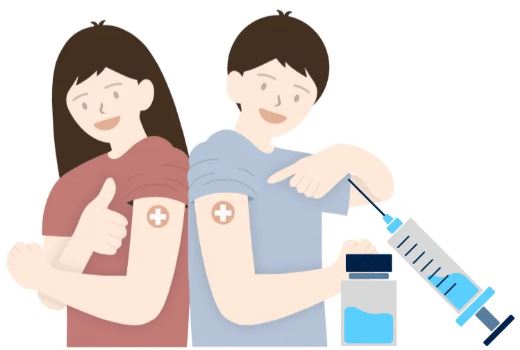
March, when students enter school or begin a new semester, marks the start of full-scale group life, making it essential to build sufficient immunity.
.
Because children are especially vulnerable to infectious diseases, vaccinations should be administered according to the standard immunization schedule.
.
Vaccination records can be checked through:
-
The child health handbook
-
The National Immunization Program website (http://nip.cdc.go.kr)
.
If a vaccination was missed, it should not be ignored. Parents are advised to consult a medical professional and receive catch-up vaccinations as needed.
.
.
Required Vaccinations Before Entering Elementary School
.
-
Tuberculosis (1 dose)
-
Hepatitis B (3 doses)
-
DTaP (5 doses)
-
Polio (4 doses)
-
MMR (2 doses)
-
Japanese Encephalitis (4 doses)
-
Chickenpox (1 dose)
.
.
Required Vaccinations Before Entering Middle School
.
-
Diphtheria, Tetanus, and Pertussis (Td for adults, 1 booster dose)
-
Japanese Encephalitis (1 dose / 5th booster)
.
.
Precautions When Getting Vaccinated
.
-
A guardian who is familiar with the child’s health condition should accompany the child.
-
If possible, vaccinations should be given in the morning.
-
After vaccination, remain at the medical facility for 20–30 minutes to monitor for adverse reactions.
-
At home, observe the child carefully for at least three hours.
.
.
.
.
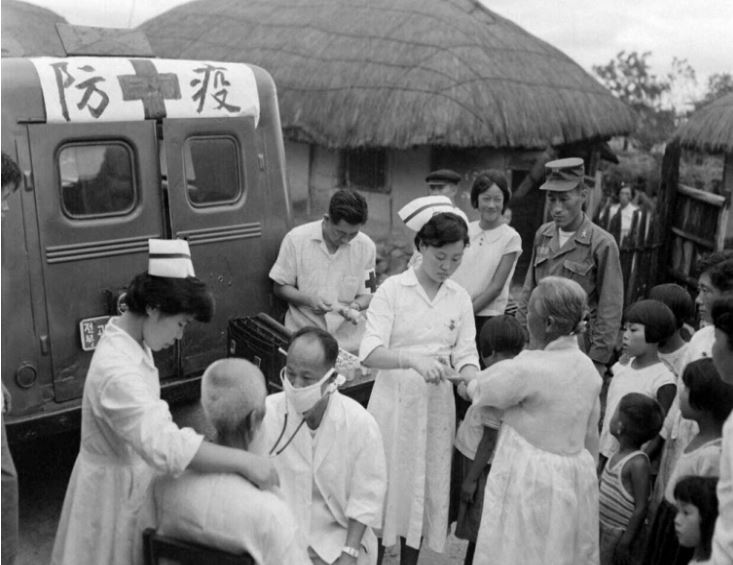
Types of Infectious Diseases and Prevention Methods
.
1. Measles
Measles is an extremely contagious disease. If an unvaccinated child comes into contact with an infected person, the infection rate exceeds 95%.
Children with measles should avoid schools, kindergartens, daycare centers, and other crowded places for five days after the rash appears.
.
If a first-grade elementary student has not received the second dose of the measles vaccine, it is essential to get vaccinated at a nearby public health center or medical institution.
.
.
2. Respiratory Diseases such as Colds and Influenza
.
Respiratory illnesses occur most frequently between March and May.
.
Prevention Tips
-
Wash hands frequently with soap and running water
-
Avoid touching the nose or eyes with hands
-
Cover the mouth and nose with a tissue or handkerchief when coughing or sneezing (cough etiquette)
-
Avoid overexertion during outbreak seasons and get enough rest
-
Maintain a balanced diet and a regular daily routine
.
.
.
.
3. Mumps
.
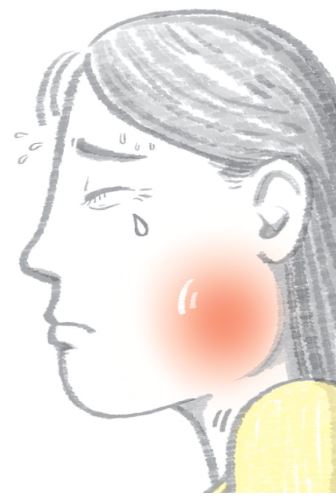
Mumps occurs most frequently from April to July and from November to December, mainly affecting children and adolescents aged 4 to 18.
It spreads through respiratory droplets from coughing or through direct contact, so contact with infected individuals should be avoided.
.
Prevention Tips
-
Strengthen personal hygiene practices such as handwashing and proper cough etiquette
-
Get vaccinated if not previously immunized
-
Infected children should stay at home from the onset of fever until nine days after the fever subsides to prevent transmission
.
.
4. Chickenpox
.
Chickenpox occurs most often from May to June and from December to January, and is common among children aged 3 to 6.
It frequently appears in kindergarteners and lower-grade elementary students, especially in early spring when group life begins.
.
Chickenpox spreads through respiratory droplets when talking or sneezing, as well as through direct contact with blisters.
Due to its high contagiousness, infected children should stay at home for six days after blisters appear or until all lesions have crusted over.
.
Prevention Tips
-
Practice thorough personal hygiene, including handwashing and cough etiquette
-
Children who have never had chickenpox or have not been vaccinated should receive the vaccine
.
.
5. Waterborne Infectious Diseases
.
Waterborne infectious diseases, such as bacterial dysentery and group food poisoning, occur most frequently between March and June.
.
Prevention Tips
-
Wash hands frequently and thoroughly
-
Use boiled water or “safe drinking water”
-
Consume only food that has been thoroughly cooked
.
. .
.
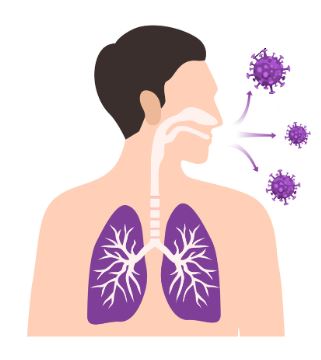
Rules for Preventing Respiratory Infections
-
Wash hands frequently and thoroughly
-
Ventilate indoor spaces regularly
-
Wear a mask when experiencing respiratory symptoms
-
Cover the mouth and nose with a tissue when coughing or sneezing
-
Avoid touching the eyes, nose, and mouth with hands
-
Avoid contact with people who have respiratory symptoms