
Fear of Radiation vs. A Core Energy Source
.
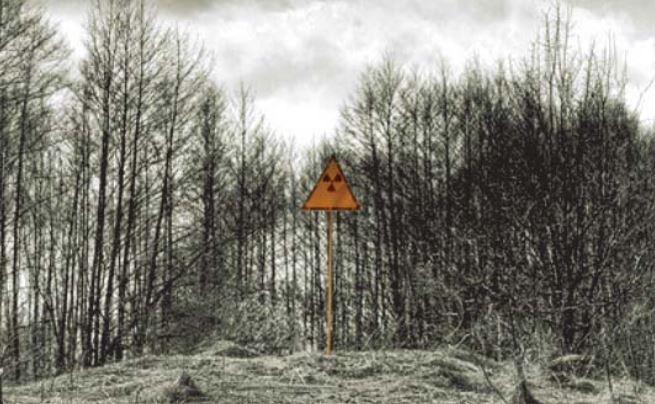
In the aftermath of the massive earthquake in Japan, a nuclear power plant explosion led to the release of radioactive materials, causing a devastating accident. Cases of radiation exposure were reported, and radioactive iodine was detected in tap water, rapidly intensifying public concern over nuclear power plants. Under these circumstances, growing fears of radiation and debates over nuclear safety are, in many ways, understandable.
.
However, nuclear power remains a core energy source that supplies electricity to modern society, making it difficult to simply reject it outright.
.
[the_ad id=”1455″]
.
.
Korea’s Nuclear Technology Expanding onto the Global Stage
.
Korea’s history of nuclear power generation began in earnest in 1955 with the signing of a nuclear cooperation agreement with the United States. In 1959, the Korea Atomic Energy Research Institute was established, and by 1963, a research reactor began operation, laying the foundation for nuclear technology in the country.
.
Commercial nuclear power generation started in 1978 with the construction of Kori Nuclear Power Plant Unit 1. At the time, the project was carried out under a turnkey system in which foreign companies managed the entire construction process. With the completion of Kori Unit 1, Korea became the world’s 21st country to possess nuclear power plants.
.
The two oil crises of the mid-1970s highlighted the importance of energy security and further strengthened the national commitment to nuclear power. With continued government support, a total of 21 nuclear power units have been constructed to date.
.
As nuclear power plant construction expanded, Korea’s technological capabilities grew significantly. Rather than relying solely on technology transfers, Korea invested steadily in its own research and development. As a result, Uljin Nuclear Power Plant Unit 6, completed in 2005, was built entirely with domestic technology. In 2009, Korea secured a $40 billion nuclear power plant construction contract in the United Arab Emirates (UAE), marking a major milestone in the overseas expansion of its nuclear industry.
.
Today, Korea continues to pursue nuclear power plant exports to Southeast Asia and other regions, with its nuclear technology now recognized as globally competitive.
.
[the_ad id=”1455″]
.
.
The Disaster of Nuclear Power: Fear of Radiation
.
According to a “Public Perception Survey on Nuclear Energy” conducted by the Korea Nuclear Culture Foundation, 88.4% of respondents said nuclear power generation is necessary. This reflects an improvement in public awareness of the necessity and safety of nuclear energy following Korea’s success in securing the UAE nuclear project.
.
However, after the nuclear accident in Japan, fear of radiation resurfaced, once again fueling negative perceptions of nuclear power.
.
The greatest drawback of nuclear power is the massive scale of damage that can occur in the event of an accident. Because nuclear power generation inherently involves radiation and radioactive materials, accidents can have devastating consequences for human life and the environment.
.
Incidents such as the 1979 Three Mile Island accident in the United States, the 1986 Chernobyl disaster in the former Soviet Union, and the more recent Fukushima nuclear accident in Japan demonstrate that fears surrounding radiation are far from exaggerated.
.
The disposal of radioactive waste is another major challenge. Spent nuclear fuel and low-level radioactive waste generated during power production require enormous costs and long periods of time to manage. To date, no disposal method has been proven to be completely safe. In addition, nuclear power plants require high initial investment and construction costs compared to fossil fuel power plants.
.

[the_ad id=”1455″]
.
.
.
A Stable and Affordable “Green Energy Source”
.
Despite these limitations, nuclear power offers several clear advantages.
.
First, it provides a stable and cost-effective supply of electricity. Nuclear power generation has significantly lower fuel costs than other power generation methods, resulting in lower overall electricity generation costs. Even amid record-breaking cold waves, heavy snowfall, and energy supply instability caused by political unrest in the Middle East, nuclear power has helped maintain a relatively stable electricity supply.
.
Second, nuclear energy contributes to addressing environmental challenges. Global warming and abnormal climate patterns are largely driven by increased greenhouse gas emissions from excessive fossil fuel use. Fossil fuel power plants emit 40 to 100 times more greenhouse gases than nuclear power plants. In contrast, nuclear power produces almost no greenhouse gas emissions during operation, making it one of the cleanest practical energy sources available today.
.
Third, the supply of nuclear fuel is stable. Uranium, the fuel used in nuclear power generation, is relatively evenly distributed across the globe, and major supplier countries are politically and economically stable. Moreover, small amounts of uranium can generate energy over long periods, making it easy to stockpile. Fuel costs account for only about 2.5% of the total power generation cost.
.
.
[the_ad id=”1455″]
.
Securing “Safety” and Building “Trust”
.
When economic efficiency, environmental impact, and supply stability are considered together, nuclear power remains an essential energy source for Korea. In a country with limited natural resources, nuclear energy has played a critical role in energy security and economic growth.
.
Nevertheless, following the Fukushima accident, nuclear power faces a serious crisis of public trust. Rather than giving in to vague fears, this moment should be used as an opportunity to strengthen safety management systems. Thorough inspections of existing nuclear power plants must be conducted, and emergency response manuals and power supply networks should be further reinforced.
.
For new nuclear power plant construction, seismic design standards must be strengthened, and transparency and public trust should be prioritized so that citizens can feel secure. Since nuclear energy is a global issue, international cooperation is also essential to share accident information and continuously improve safety standards.
.
Public support for nuclear power may remain subdued in the wake of the Fukushima accident. However, in the long term, safety systems will continue to improve, and technological capabilities will advance further. For a country like Korea, which produces virtually no oil, the safe use of nuclear energy is an unavoidable challenge.
.
By learning from this tragedy, it is now time to pool wisdom and effort to develop practical measures that enhance the safety of nuclear power generation.