
What Should Older Adults Be Careful About When Using Health Support Devices and Medical Equipment?
In recent years, the use of health support devices and personal medical equipment has increased significantly. Along with this trend, various consumer complaints have been reported, including side effects, lack of effectiveness, and product defects. Older adults, who use these products more frequently, need to be especially cautious.
Below, we examine what to watch out for through real-life cases and survey findings.
.
.
.
Real Case of Harm: “Pain After Using a Prostate Medical Device”
Mr. Lee, a man in his 60s living in Busan, purchased a medical device advertised as beneficial for prostate health for 780,000 KRW.
The advertisement strongly promoted claims such as “Complete recovery after two months of use” and “100% refund if ineffective.”
.
However, after just one month of use, he began experiencing lower abdominal pain and difficulty urinating.
At the hospital, he was advised to stop using the device immediately and required medication-based treatment.
.
.
.
Analysis of Consumer Consultations: One in Five Experienced Injury
Among consumer consultations filed by people aged 60 and older with the Korea Consumer Agency and the 1372 Consumer Counseling Center,
21 cases (21.2%) involved actual injuries or physical harm.
.
Reasons for Consultation
Product defects and refusal of compensation or repair: 30 cases
Lack of expected effectiveness: 24 cases
Side effects or abnormal symptoms: 18 cases
Contract cancellation after impulsive purchases: 16 cases
Concerns about advertising credibility: 5 cases
.
Usage Status Among Older Adults
In a survey of 500 people aged 65 and older,
441 respondents (88.2%) reported having used health support devices or personal medical equipment.
Most commonly used devices (multiple responses allowed):
Blood pressure monitors: 19.9%
Electric heating mats: 16.2%
Blood glucose meters: 11.5%
Among them, 36 individuals (8.2%) reported having experienced actual injuries.
.
Products Most Frequently Associated with Injuries
Water therapy devices
Mugwort moxibustion devices
Electric heating mats
Personal heating devices
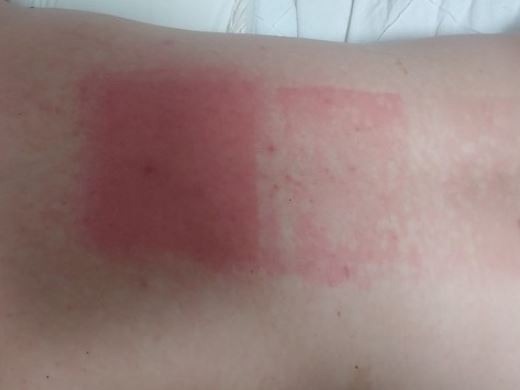
A common feature of these products is that they generate heat, with burns being the most frequent cause of injury.
.
.
.
Checklist for Purchasing and Using Personal Medical Devices
To ensure safe use, be sure to check the following points.
.
Before Purchase
Consult medical professionals and sellers about product features and precautions
Check whether your living environment is suitable for using the device
.
During Use
Read the instruction manual carefully and keep it nearby
Do not use the device for purposes other than intended
Pay close attention to warning sounds and error messages
Immediately inform medical professionals or sellers if problems occur
.
Additional Safety Guidelines
Prevent children and pets from touching the device
When using a new device or changing usage methods, inform medical professionals and monitor your health condition
.
.
.
Side Effects of Pain Relief Patches
Use Pain Relief Patches With Caution
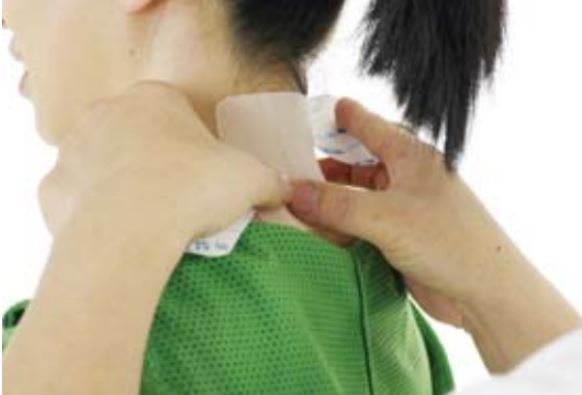
Pain relief patches, commonly used for muscle pain and bruises, have also been associated with a steady number of adverse effects.
.
Injury Rates by Product Type
Adhesive patches: 92.6%
Spray-type products: 5.3%
Liquid or gel-type products: 1.1%
In addition, pain relief patches containing ketoprofen must not be used by children under the age of 15, requiring special caution.
.
.
.
Pain Relief Patches: Avoid Overuse
Pain relief patches may help temporarily reduce pain, but they cannot replace proper medical treatment.
Excessive use may delay diagnosis and worsen underlying conditions.
➡ For chronic pain, always seek medical consultation and appropriate treatment.
.