
Why Confined Space Asphyxiation Accidents Are So Dangerous
Asphyxiation accidents continue to occur in confined spaces such as manholes, wastewater treatment facilities, and storage tanks where ventilation is limited.
.
These incidents are especially tragic because the risks are often well known and predictable, yet serious accidents still happen due to insufficient preparation and awareness.
.
.
What Makes Confined Space Accidents So Hazardous
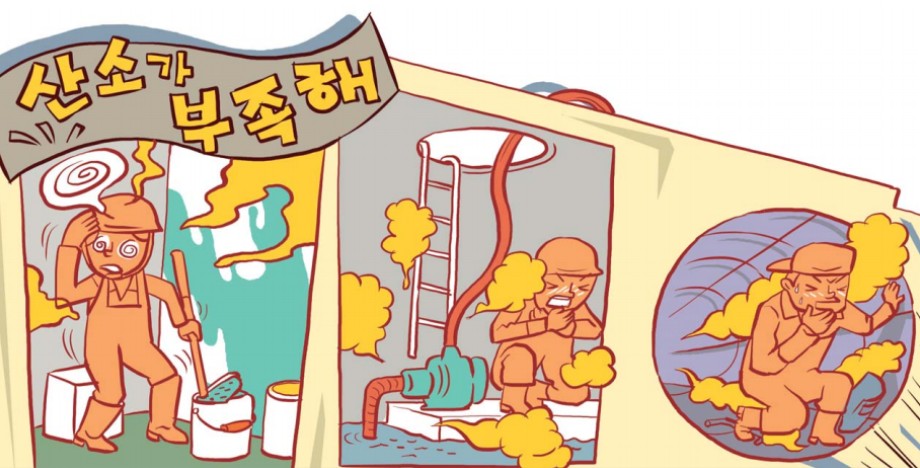
In confined spaces, workers may be exposed to harmful gases such as carbon dioxide and hydrogen sulfide. This exposure can lead to oxygen deficiency, a condition in which the oxygen concentration in the air drops to dangerous levels.
.
Early symptoms of oxygen deficiency include pale or flushed skin, rapid breathing and pulse, dizziness, nausea, and vomiting.
.
Oxygen deficiency commonly occurs in confined spaces under the following conditions:
-
Poor ventilation in enclosed or restricted areas
-
Standing water inside facilities or equipment, leading to corrosion and organic decay
-
Decomposition or fermentation of organic materials that consume oxygen
.
During these processes, toxic gases such as hydrogen sulfide are often generated as byproducts. As oxygen levels decrease, the space becomes filled with contaminated air.
When workers inhale this air, asphyxiation accidents can occur rapidly.
.
One of the most serious aspects of confined space accidents is the chain-reaction effect.
When one worker collapses, coworkers may instinctively enter the space to attempt a rescue without proper respiratory protection, resulting in multiple fatalities.
.
Although accidents caused purely by oxygen deficiency have shown a gradual decline,
asphyxiation caused by toxic gases—particularly hydrogen sulfide—continues to increase, especially in wastewater and organic waste handling facilities.
.
Despite ongoing efforts such as hazard identification and periodic safety training, many workplaces still underestimate the risks associated with toxic gases.
In some cases, required safety equipment is not available, and pre-job safety training is either insufficient or entirely absent.
.
.
.
Common Confined Spaces Requiring Special Attention
Confined spaces are inherently dangerous because natural ventilation is inadequate.
As a result, oxygen-deficient or toxic atmospheres can develop at any time.
.
Oxygen deficiency is defined as a condition in which the oxygen concentration falls below 18%.
Health effects worsen as oxygen levels decrease:
-
Below 16%: increased breathing and heart rate, dizziness, headache, nausea
-
Below 10%: loss of consciousness, convulsions, decreased pulse, and ultimately death
.
Facilities such as wastewater treatment plants, septic tanks, and food waste collection systems are particularly hazardous due to the frequent generation of toxic gases.
.
Another critical risk factor is that confined space accidents often result in fatal or severe injuries, unlike many other workplace incidents.
.

.
.
The Key to Confined Space Safety: Prevention Before Entry
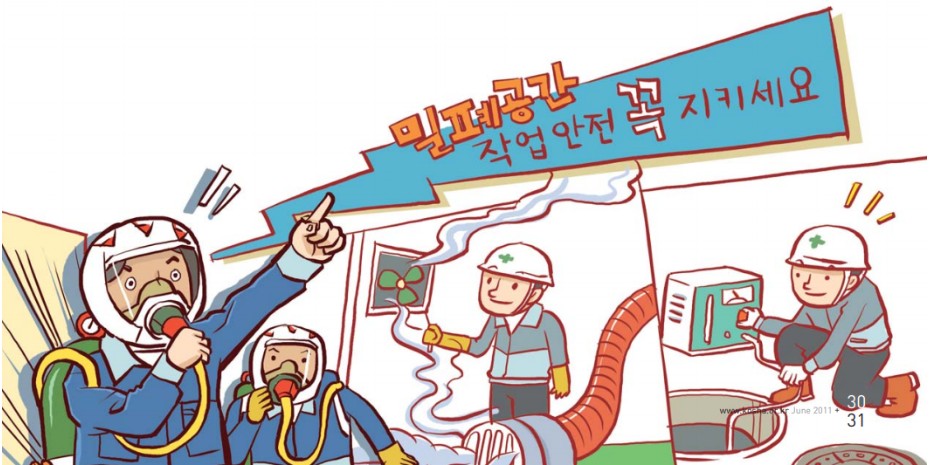
The most effective way to prevent confined space accidents is thorough preparation before work begins.
.
Before and during any confined space operation:
-
Measure oxygen and toxic gas concentrations continuously
-
Provide adequate ventilation based on measurement results
-
Use appropriate respiratory protection such as air-supplied respirators when necessary
-
Maintain continuous ventilation if gas generation is ongoing
-
Stop work if safe conditions cannot be maintained
.
When ventilation alone is insufficient, workers must wear air-supplied respirators or airline masks.
.
All workers involved in confined space tasks must receive pre-job safety training, including:
-
Hazard recognition
-
Proper use of personal protective equipment
-
Emergency response procedures
-
Rescue and first-aid methods
.
A trained attendant or supervisor should always be assigned to monitor work conditions, and working alone in confined spaces must be strictly prohibited.
.
If a worker collapses inside a confined space, coworkers should never attempt rescue without respiratory protection.
Instead, they must immediately contact supervisors or emergency rescue services.
.

.
.
Preventable Accidents Must Be Prevented
Confined space asphyxiation accidents will continue to occur unless attitudes toward risk and prevention change.
Safety begins with recognizing invisible hazards. Ignoring or underestimating these dangers inevitably leads to serious accidents.
.
When employers, supervisors, and workers all understand the risks and strictly follow safety procedures, lives can be protected.