
Reactive Oxygen Species: The Other Side of Oxygen
Oxygen gives our bodies energy and keeps our minds clear. It travels through blood vessels to every part of the body and plays an essential role in sustaining life.
However, during transportation in the bloodstream and metabolic processes such as digestion, oxygen can become unstable. This unstable form of oxygen is known as reactive oxygen species (ROS)—the other face of oxygen that can harm the body.
.
In moderate amounts, reactive oxygen species can be neutralized by the body and even help protect against bacteria and viruses as part of the immune response. However, excessive production of ROS oxidizes cells, accelerates aging, and increases the risk of various diseases.
.
When ROS causes strong oxidative reactions, it damages cells, proteins, and DNA, disrupting cell structure, function, and signaling systems. It can also damage genes, oxidize fats to form cholesterol, and contribute to diseases such as cancer, diabetes, heart disease, and high blood pressure.
.
ROS also affects the skin. By attacking cell membranes, it produces a waste substance called lipofuscin, which interferes with normal cell regeneration and destroys healthy cells. This chain reaction damages collagen, accelerates skin aging, and causes dark spots, freckles, and pigmentation.
.
.

.
Major Causes of Excess Reactive Oxygen Species
The role of ROS can be easily understood by comparing the human body to a car. A new car runs smoothly at first, but over time and with heavy use, exhaust emissions increase. Similarly, the human body produces more reactive oxygen species as it ages and is exposed to various environmental factors. For this reason, ROS is often referred to as “the body’s exhaust gas.”
.
During normal energy production and metabolism, the body continuously generates ROS. About 2–5% of the oxygen we breathe is converted into reactive oxygen species, which is necessary for normal immune function.
.
Problems arise when the balance between production and removal is disrupted, causing short-term or long-term damage to the body.
Major contributors to excessive ROS include chronic stress, ultraviolet radiation, radiation exposure, vehicle and industrial exhaust, pesticides, and other chemicals. Processed foods containing preservatives and artificial coloring, smoking, and excessive alcohol consumption also increase ROS levels.
.
Overeating promotes ROS production because digesting large amounts of food requires more energy and oxygen. Excessive exercise can also increase ROS, so moderate physical activity suited to one’s fitness level is recommended.
.
.
.
Antioxidant Foods That Fight Reactive Oxygen Species
How can we reduce reactive oxygen species?
Along with proper exercise and sufficient rest, consuming foods rich in antioxidants—such as vitamins A, C, and E, beta-carotene, and polyphenols—is essential. Antioxidants help neutralize reactive oxygen species.
.
Green tea is a well-known antioxidant food. Its catechins help relieve stress, while polyphenols and vitamins C and E suppress cell mutations and slow aging.
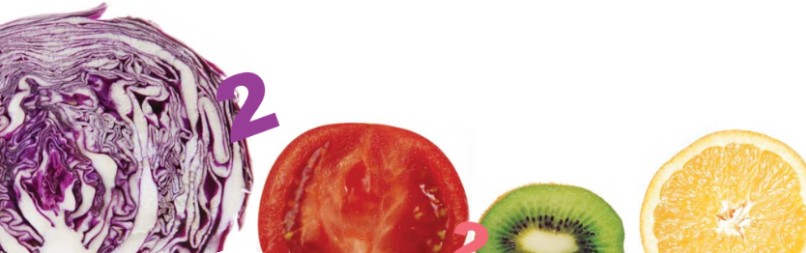
Green and yellow vegetables and fruits are rich in vitamin C. Kiwi, bell peppers, cabbage, tangerines, and broccoli are especially effective. Broccoli contains twice as much vitamin C as lemons and is also rich in vitamins A and E.
.
Nuts such as walnuts and peanuts contain vitamin E, a fat-soluble antioxidant that protects cell membranes and helps prevent aging.
Beta-carotene, found in carrots, tomatoes, and squash, is converted into vitamin A in the body, improving skin resistance and suppressing oxidative damage.
Lycopene, the red pigment in tomatoes, is a powerful antioxidant that protects DNA, slows aging, and helps maintain healthy blood vessels. Cooking ripe tomatoes with oil increases lycopene absorption.
.
Grapes and red wine are rich in polyphenols, and germinated brown rice produces antioxidant enzymes during the sprouting process.
By eating only the calories your body needs, exercising moderately, and enjoying antioxidant-rich foods, you can reduce harmful reactive oxygen species and maintain a young and healthy life.
.
.
.
Lifestyle Tips to Reduce Reactive Oxygen Species
-
Protect your skin from UV radiation
-
Drink antioxidant beverages such as green tea regularly
-
Eat plenty of fruits and vegetables
-
Improve blood circulation through regular activity
-
Minimize exposure to smoke, pollution, and toxic substances
-
Manage stress effectively