
Preventing Electrical Shock Accidents in Summer
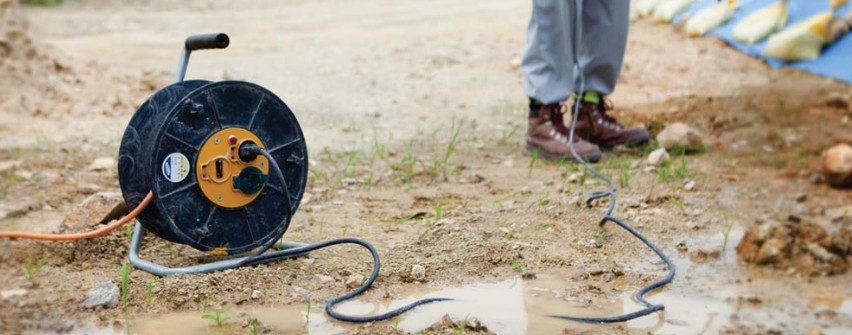
High humidity increases the risk of electrical leakage, while sweat reduces the body’s resistance. As a result, the likelihood of electrical shock accidents is significantly higher than in other seasons. Additionally, heat-related fatigue can reduce concentration, further increasing the risk.
.
.
.
Why Electrical Accidents Peak in Summer
Electrical shock incidents are more common in summer due to:
.
- Increased leakage from high humidity
- Flooding of electrical equipment during heavy rain
- Reduced use of protective gear due to heat
- Lower body resistance caused by sweat
.
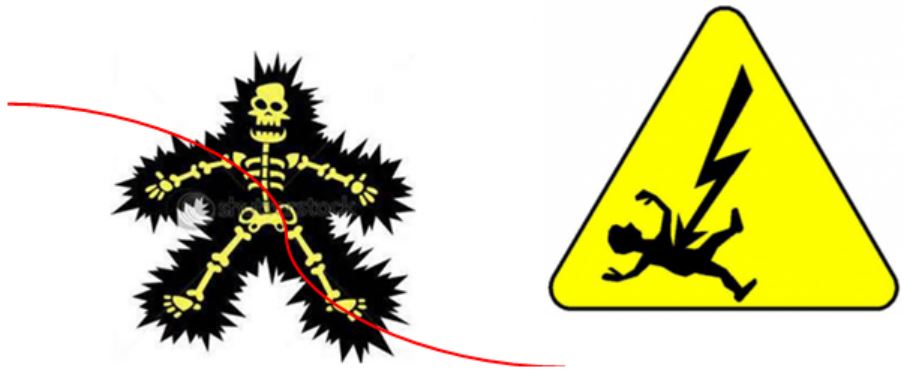
Electrical accidents are particularly dangerous because they have a higher fatality rate compared to other workplace incidents.
.
.
.
Three Essential Safety Rules
You can prevent most electrical accidents by following these three rules:
.
- Proper grounding
- Use of residual current devices (RCD/GFCI)
- Power shut-off before maintenance
.
All metal enclosures must be grounded, and portable equipment should always be connected to a GFCI/RCD.
.
If a victim stops breathing due to electric shock, performing CPR within one minute can significantly improve survival chances.
.
.
.
Preventing Electrical Hazards in Equipment
The most common cause of electrical shock is leakage current.
.
Key preventive measures include:
.
- Grounding all metal enclosures
- Installing GFCI/RCD devices
.
Even if insulation resistance is tested, leakage can still occur unexpectedly. That’s why grounding is essential.
.
Portable equipment should follow this grounding path:
.
Equipment → Grounded cord → Grounded plug → Grounded outlet → Ground electrode
.
.
.
⚠️ Important Notes
- GFCI may not work properly in ungrounded systems
- Monthly testing is required
- Electromagnetic interference may cause malfunction
.
.
✔ Equipment Safety Checklist
- Use certified products
- Perform regular insulation testing
- Ground all metal enclosures
- Use grounded cables
- Install GFCI devices
.
.
Working Near Overhead Power Lines
Most electrical accidents in construction occur due to contact with overhead lines.
.
Common Causes
- Contact with conductive materials (pipes, steel bars)
- Equipment such as cranes touching power lines
.
Safety Measures
- Develop a safety plan before work
- Install insulating barriers
- Coordinate with utility companies for power shutdown
- Ensure clear communication on-site
.
.
✔ Overhead Line Safety Checklist
- Conduct risk assessments
- Wear insulating protective equipment
- Install barriers properly
- Coordinate shutdown procedures
- Post warning signs
.
.

.
Grounding vs GFCI: Which Is Better?
The safest approach is to use both grounding and GFCI together.
.
- Grounding alone is not sufficient
- GFCI alone is also not sufficient
.
In wet environments, GFCI protection is especially critical.
.
Additionally, always follow these procedures during electrical work:
.
- Turn off power before starting
- Apply lockout devices
- Attach warning tags
.
.
Hahahaha You are so good
Great post,Thanks for sharing
Hi~(* ̄▽ ̄*)