
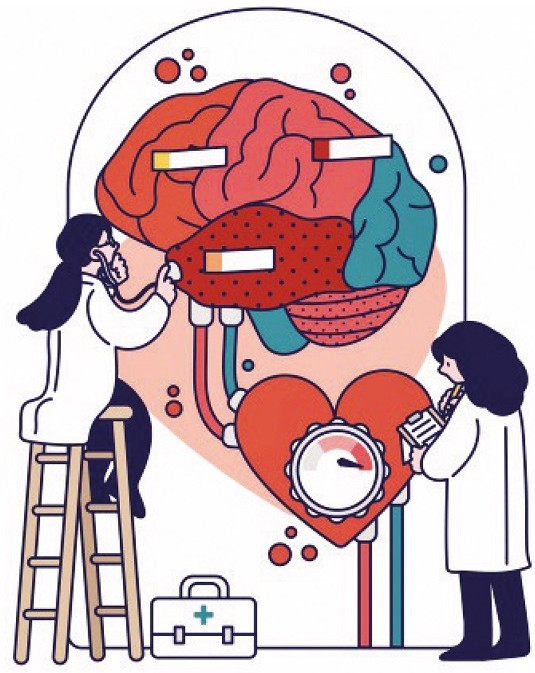
As the weather turns colder, warnings are rising for cerebrovascular and cardiovascular diseases such as stroke, angina, and myocardial infarction.
.
In industrial workplaces, these diseases account for more than half of all work-related illness deaths, making them a critical health concern. They are also the second leading cause of death after cancer.
.
.
A Leading Cause of Work-Related Deaths
Cardio-cerebrovascular diseases include both cerebrovascular (brain-related) and cardiovascular (heart-related) conditions. Stroke occurs when blood flow to the brain is disrupted, leading to sudden neurological symptoms.
.
Among heart diseases, ischemic heart disease—including angina and heart attacks—is the most common. It occurs when coronary arteries become narrowed, blocked, or experience spasms, reducing blood flow to the heart.
.
Many cases of sudden death due to overwork are also linked to these conditions. Once they occur, they can result in death or permanent disability, making them one of the most serious health risks for workers.
.
.
Cold Weather Increases Risk
Large temperature differences between day and night significantly increase the risk of these diseases due to rising blood pressure.
.
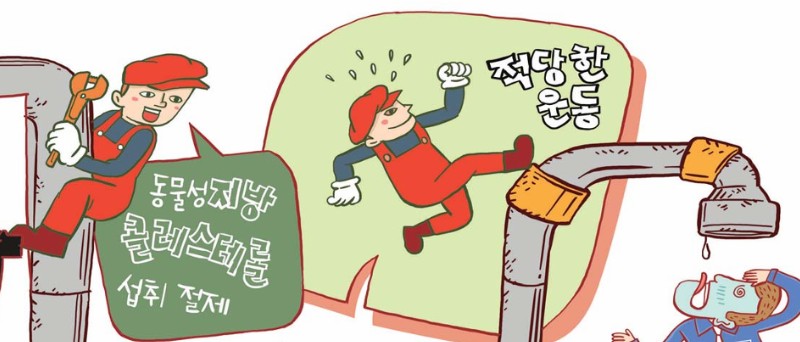
Cold weather activates the sympathetic nervous system and constricts blood vessels, forcing the heart to pump harder. This leads to increased blood pressure.
.
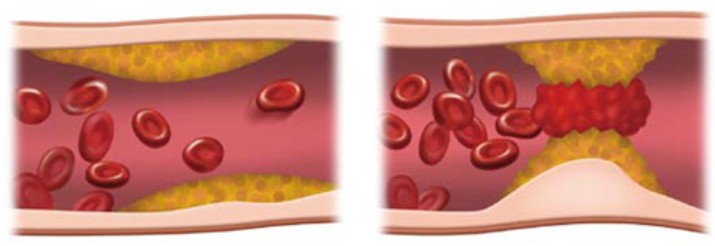
While healthy individuals may tolerate temporary increases, those with hypertension, diabetes, or atherosclerosis are at higher risk of vessel rupture or blockage.
.
To stay safe, it is essential to keep your body warm outdoors and avoid sudden temperature changes when moving indoors. Rapid changes can cause dizziness, chest discomfort, or even fainting.
.
.
Prevention Through Lifestyle Changes
The first step in prevention is understanding your personal risk factors through regular health checkups. Proper blood pressure management alone can reduce the risk by up to 70–80%.
.
Healthy lifestyle habits are key:
.
- Reduce smoking and alcohol consumption
- Limit salt and calorie intake
- Exercise at least four times a week
.
If time is limited, small habits like taking the stairs or brisk walking can help. Stretching every hour at work is also beneficial.
If you notice any warning signs, seek medical attention immediately.
.
.
Foods for Healthy Blood Vessels
✔ Good Foods
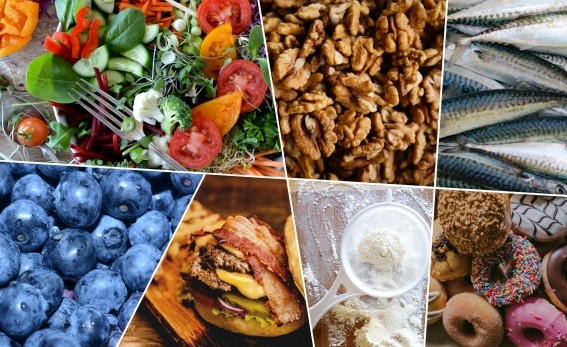
- Fatty fish (salmon, tuna) rich in omega-3 (EPA)
- Vegetables like tomatoes, carrots, spinach, broccoli
- Soy-based foods (tofu, fermented soybean paste)
- Garlic and onions
- Seaweed (kelp, sea mustard)
.
❌ Bad Foods
- Animal fats (beef, pork)
- Processed foods with palm oil or coconut oil
- Snacks, instant noodles, chocolate, coffee creamer
- High-cholesterol foods
- Fried foods (prefer steaming or boiling)